
Grant Process
Redlich Horwitz Foundation’s grantmaking centers on achieving equity and justice for New York families.
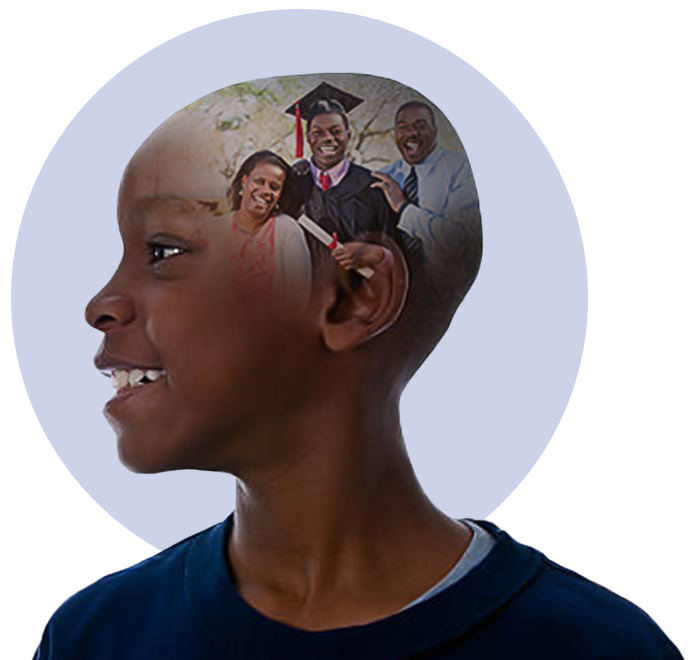
We welcome conversations with prospective partners to deepen our understanding of the issues and proposed solutions identified by families and communities adversely affected by current child welfare policies and practices.
Interested parties are strongly encouraged to carefully review our mission, strategies, and current grantees before contacting RHF to ensure your organization and proposal are consistent with our funding guidelines and priorities. If you believe there is a strong opportunity for partnership, please email info@rhfdn.org to connect with our team.
Inquiry and Application Steps
1 Strategy Development and Idea Generation
RHF staff and/or board trustees consult with lived experience experts, researchers, advocates, grassroots organizers, and other leaders to broaden our understanding of system challenges and proposed solutions. We read articles and research studies, listen to first-person accounts from impacted families and youth, and compile and analyze data from communities, academic institutions, and government sources.
2 Initial Meeting with Prospective Partners
RHF staff and/or board trustees hold an initial meeting or phone call with your organization’s leadership to learn more about your mission, approach, and programs, and explore ways we might work together.
3 Concept Note
RHF staff and/or staff from the applicant organization draft a one-page concept note to briefly:
- Describe the applicant organization’s mission, history, and programs.
- Share the proposed program goals and strategy.
- Demonstrate how successful outcomes would influence broader system change.
- Explain how the proposal aligns with RHF’s funding priorities and goals.
- Provide an estimated project funding request.
4 Initial Review of New Opportunity
If the proposed opportunity is of interest, RHF staff will follow up to request additional information, as necessary, and schedule a site visit/meeting with senior leadership of the applicant organization.
5 Proposal
By this stage of the application process, the project design or advocacy initiative under consideration will have received significant attention from the RHF staff and board trustees. At this point, the applicant receives the Foundation’s proposal submission template requesting information about the prospective grant partner’s commitment to organizational values and more detailed plans for:
- Program or advocacy execution
- Evaluation
- Goals and outcomes, including impact on racial disparities
- Multi-year budget and plan for financial health.
NOTE: RHF’s Board of Trustees meets quarterly to make funding decisions. Organizations awarded grants will be notified upon selection.
6 Evaluation
RHF and the grantee will work together to develop an evaluation procedure and establish specific objectives and metrics to measure progress toward achieving projected outcomes.
Grant Proposal Evaluation Criteria
- Fit with RHF’s mission and strategy.
- Strength of the leadership and implementation team, including personal and professional backgrounds (i.e., lived experience, advocacy experience, leadership roles, similarities to communities we serve) and commitment to family justice.
- Centering of impacted populations (people and communities) in defining and implementing solution set and strategies.
- Collaborative and movement-building.
- Feasibility of plan to meet desired outcomes and reduce disparities.
- Scalable: cost-effective; power-building; future revenue sources; policy-reform implications; coordination with the system.
Key Considerations
By Grantmaking Category
Mobilize
- Is the proposal rooted in one of the Foundation’s priority geographic areas (NYC, Rochester, Westchester, Long Island)?
- Does the project strengthen local leadership and community capacity to engage in statewide efforts?
- Will the activities support strategies that reduce the footprint of child welfare and keep families intact?
- Does the project reflect authentic community voice, leadership, and participation in organizing or mobilization?
Reimagine
- Does the proposal present innovative ideas or approaches that challenge existing child welfare structures?
- Can the idea be piloted at the community level with a clear plan for scalability?
- Is there potential for eventual sustainability through government adoption or funding?
- Does the proposal include mechanisms to test, evaluate, and share learnings from the innovation?
Influence
- Does the proposal address systemic policy, budget, or practice issues within New York State?
- Will the work help reduce the unnecessary involvement of families with the child welfare system (e.g., limiting unwarranted surveillance or family separation)?
- Does the applicant demonstrate a clear pathway to influencing policies, or institutional practices at the state or local level?
- Are impacted communities meaningfully engaged in shaping goals of the initiative?
Support
- Does the proposal center youth with lived experience in the foster system?
- Will the activities expand opportunities for financial stability, housing security, education, or career advancement for system-involved youth?
- Does the project also prioritize emotional well-being, healing, and independence for youth?
- Are youth engaged in the design, governance, or implementation of the program?